Crypto CFDs versus spot crypto
Separate crypto price exposure through CFDs from direct spot ownership, custody, wallet transfers, and on-chain responsibilities.
The working idea
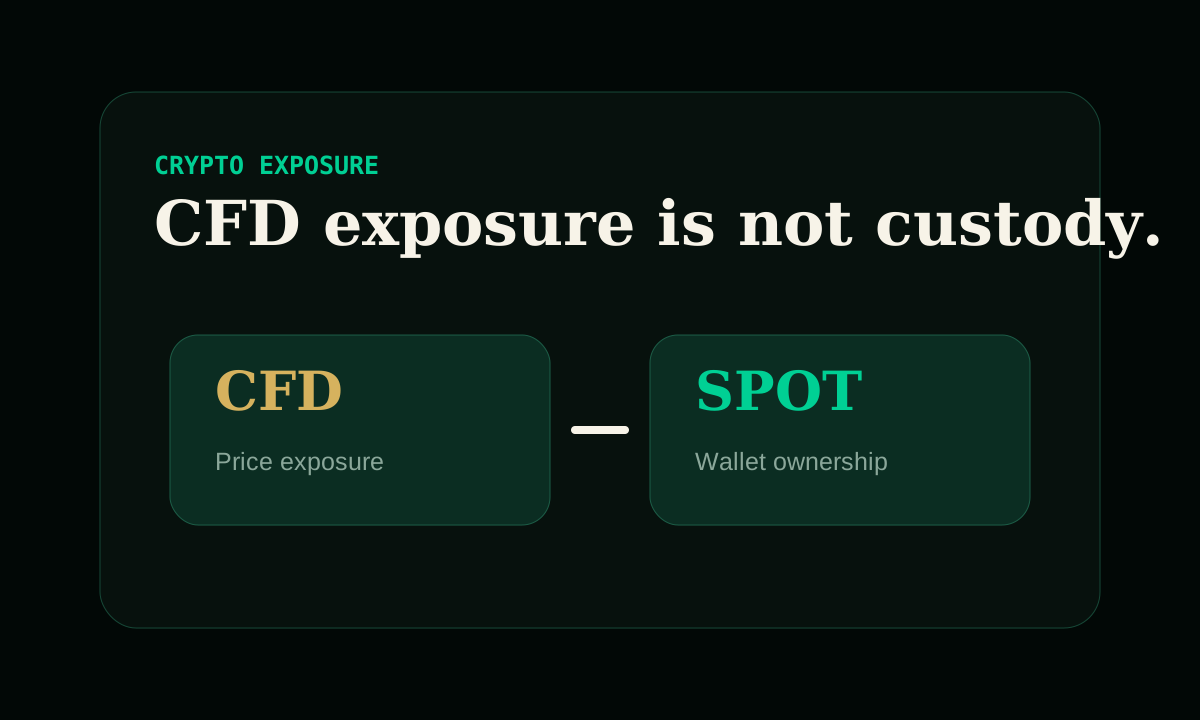
A crypto CFD tracks price exposure. You do not receive the underlying coin into a personal wallet, and you do not move it on-chain.
Spot ownership is different. It creates custody responsibilities such as private keys, wallet security, transfer networks, and confirmation times.
How traders use CFDs
Some traders prefer CFDs because they can manage crypto exposure beside FX, metals, and indices on one platform. They can also trade long or short without moving coins between venues.
The trade-off is that leverage, overnight costs, liquidity, and product rules have to be understood before the position is opened.
Common mistake
Crypto can move more sharply than major FX pairs. A position that looks modest by notional size can still create large equity swings when leverage is involved.
Weekend liquidity and headline risk can also behave differently from weekday FX conditions.
Bullion workflow
Before trading crypto CFDs, decide whether the goal is short-term price exposure or long-term ownership. If ownership is the goal, a CFD is not the correct product.
For CFD trades, size from cash risk, check spread conditions, and avoid assuming crypto volatility will behave like major currencies.
Risk note
This article is educational and does not constitute investment advice. Trading foreign exchange, CFDs, metals, indices, and crypto derivatives involves significant risk and may not be suitable for all investors.