Using ATR to set realistic stops
Use Average True Range to judge whether a stop is realistic for current volatility instead of placing it inside normal market noise.
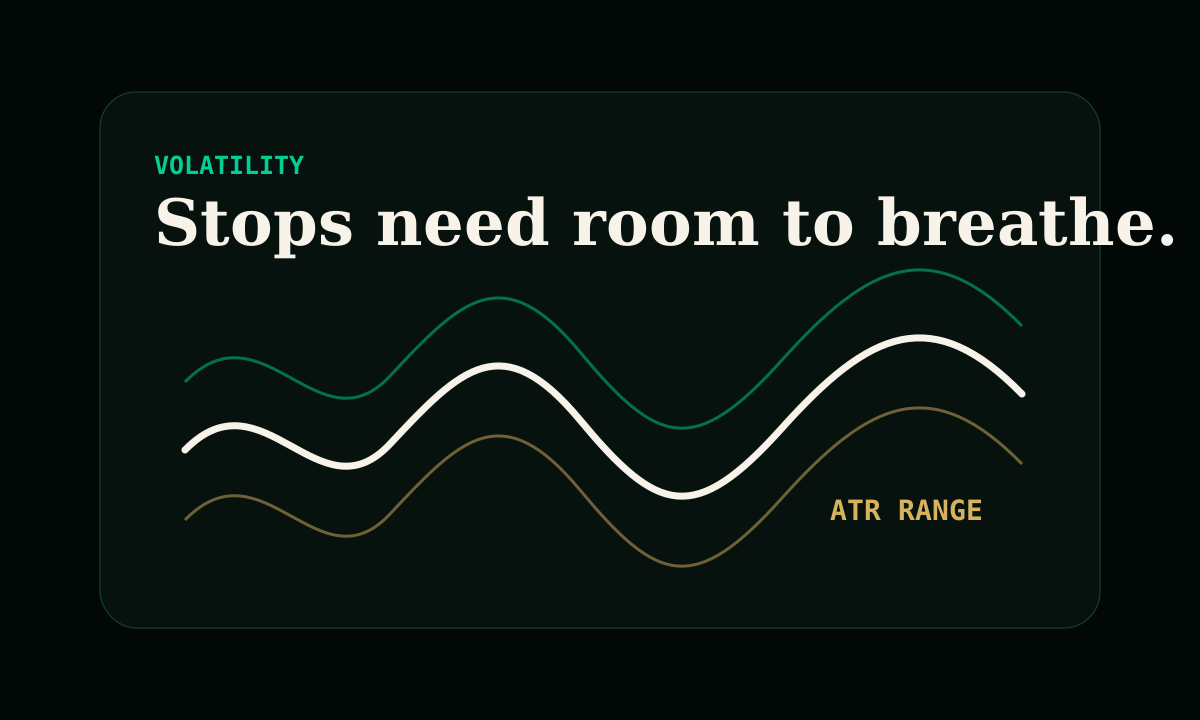
The working idea
Average True Range estimates how much an instrument has been moving over a chosen period. It does not predict direction, but it does show whether the market is quiet or wide.
That context matters because a stop that is sensible in a quiet session may be too tight during a volatile one.
How to combine ATR with structure
First place the stop where the trade idea is invalidated. Then compare that distance with recent ATR. If the stop sits inside normal noise, the entry may be too late or the size may be too large.
ATR should support structure, not replace it. A volatility number without a clear invalidation point is still incomplete risk planning.
Common mistake
Some traders widen the stop when volatility rises but keep the same lot size. That turns a volatility adjustment into a larger planned loss.
If the stop distance expands, cash risk stays controlled only when position size adjusts down.
Bullion workflow
Before entering, compare the planned stop distance with recent range. If the instrument is moving wider than usual, calculate risk from the wider stop before placing the order.
During review, note whether stopped trades failed because the idea was wrong or because the stop was placed inside normal volatility.
Risk note
This article is educational and does not constitute investment advice. Trading foreign exchange, CFDs, metals, indices, and crypto derivatives involves significant risk and may not be suitable for all investors.